


What is "Hemp" to you?
The word "Hemp" carries a stigma.
However, as its history unfolds, we realize that hemp transcends the shadow of prejudices commonly associated with marijuana, revealing itself to be a plant of invaluable worth and sustainable potential.
The mistaken association of hemp with marijuana has been a barrier preventing humanity from fully exploring the benefits of a plant that could transform various sectors, from fashion to civil construction. Because of a cultural error, decades of opportunities have been lost, stifling innovations and sustainable solutions that could have been widely adopted.
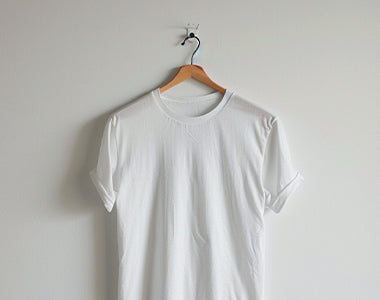
Textile Production
"Wearing hemp means embracing the future: durable, sustainable, and microplastic-free—a conscious choice that transforms fashion into an act of caring for the planet."
"It is not things that disturb us, but rather our opinion of them."
Epictetus, Greek philosopher.
If we allow hemp to be recognized for what it truly is — a gift from the earth and a sustainable solution — we can transform not only the industry but also our relationship with the planet
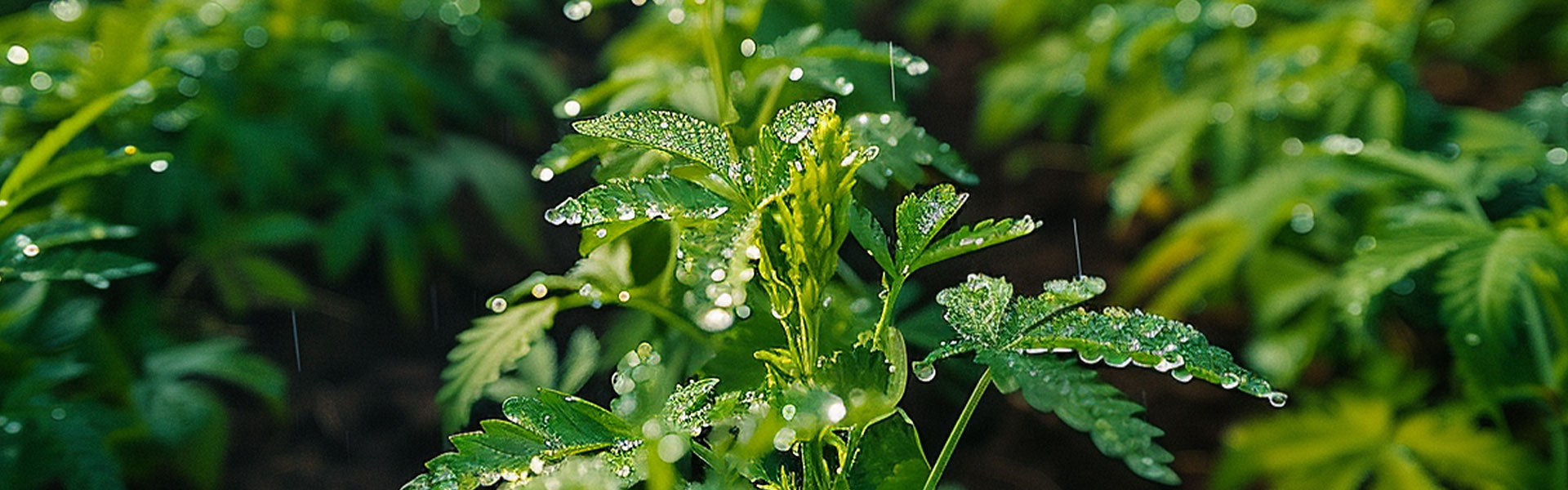
Sustainability
Hemp cultivation requires less water and pesticides compared to other textile crops, making it an environmentally sustainable option.
Comparative analyses of resource use show that hemp consumes up to 50% less water than cotton and can be grown without the use of pesticides, due to its natural resistance to pests.
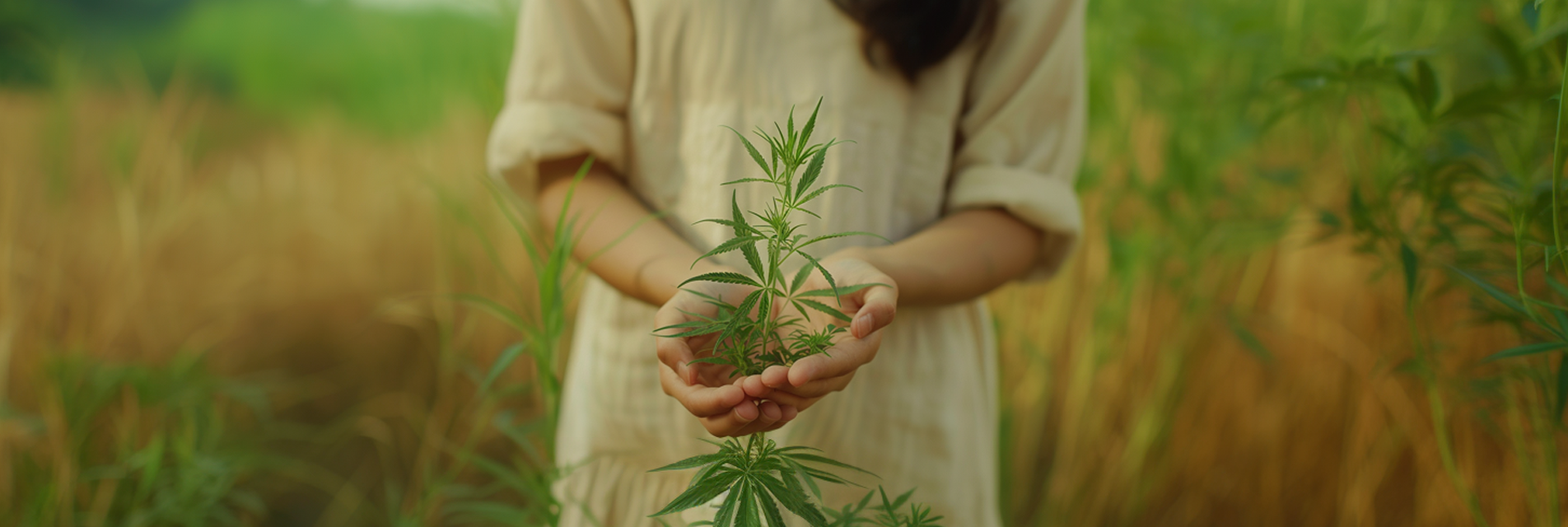
Breathability and Comfort
Hemp fabric is naturally breathable, allowing air circulation and preventing moisture retention.
Research on moisture-wicking properties demonstrates that hemp is highly hygroscopic, meaning it absorbs and releases moisture quickly, keeping the body dry and comfortable.

COMFORT WITH USE
Hemp fabric softens over time, becoming more comfortable without losing its strength. Fabric aging analyses reveal that hemp, despite being robust initially, becomes softer with use and successive washes, while maintaining its structural integrity.
THERMOREGULATION
Hemp fabric offers excellent thermal insulation, keeping the body cool in summer and warm in winter. Studies on thermal conductivity indicate that hemp fibers have a hollow structure, which contributes to their insulating properties, helping to regulate body temperature in different climates.
UV RESISTANCE
Hemp has a natural resistance to ultraviolet rays, protecting the skin from sun exposure. Studies on fabric UV protection show that hemp provides an effective barrier against UV rays, blocking up to 95% of harmful rays, while maintaining comfort and breathability.
DURABILITY
Hemp fabric is highly resistant, lasting longer than many other natural materials. Tensile strength studies show that hemp fibers have high strength, being about three times stronger than cotton fibers. This translates into greater durability of textile products made from hemp.
ANTIMICROBIAL PROPERTIES
Hemp fabric is naturally resistant to bacteria and fungi, which helps prevent odors. Microbiological studies confirm that hemp has natural antimicrobial properties, inhibiting the growth of bacteria such as *Staphylococcus aureus*, which are associated with body odors.
BIODEGRADABILITY
Hemp fabric is completely biodegradable, reducing environmental impact at the end of its useful life. Research in environmental sciences confirms that hemp fully decomposes under natural conditions, unlike synthetic fabrics that persist in the environment for centuries.
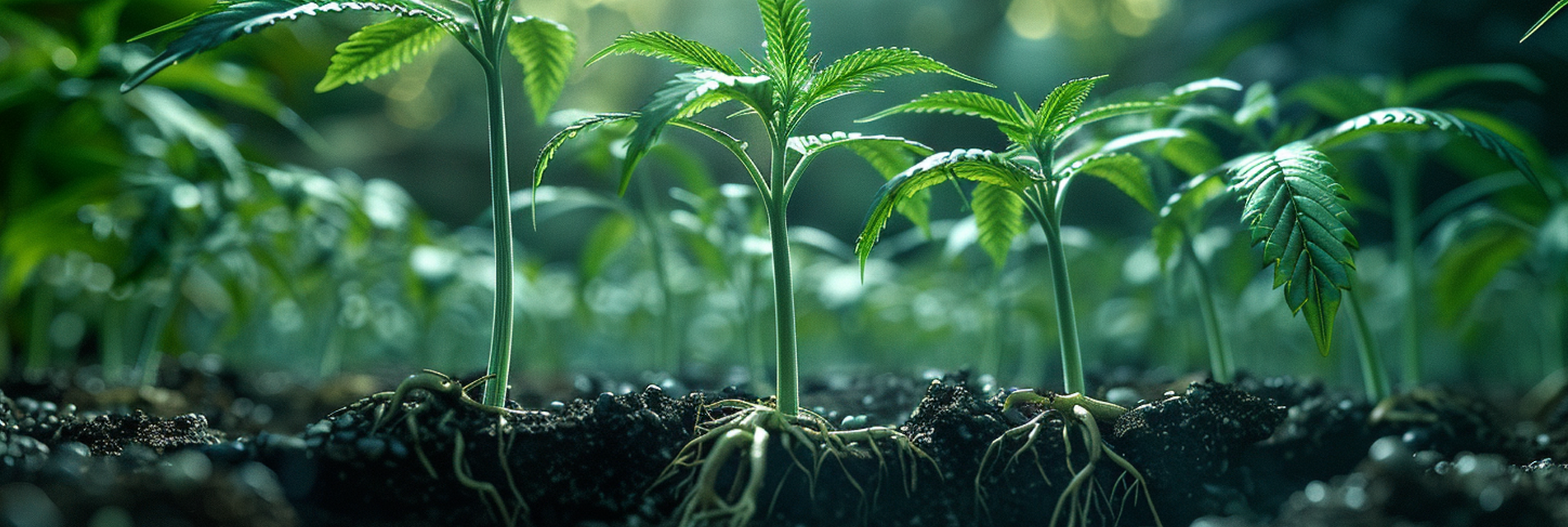
Uses of Hemp
BIOPLASTICS
Hemp can be transformed into biodegradable bioplastics, offering a sustainable alternative to petroleum-derived plastics. Chemical analyses show that hemp bioplastics have mechanical properties comparable to conventional plastics, but with the advantage of being biodegradable under natural conditions.
CONSTRUCTION MATERIALS
Hemp is used in the production of "hempcrete" (hemp concrete), a sustainable building material. Research indicates that hempcrete is a lightweight, insulating material with excellent thermal and humidity regulation capabilities, in addition to being carbon-negative, meaning it absorbs more CO2 than it emits during its life cycle.
NUTRITION
Hemp seeds are highly nutritious, rich in protein, essential fatty acids, and minerals. Nutritional studies confirm that hemp seeds contain all essential amino acids, as well as an ideal ratio of omega-3 and omega-6, making them a complete source of plant protein.
COSMETICS
Hemp oil is widely used in skincare products due to its moisturizing and anti-inflammatory properties. Dermatological research shows that hemp oil can improve skin barrier function and reduce symptoms of inflammatory conditions such as eczema and acne.
PAPER
Hemp can be used in paper manufacturing, offering a sustainable alternative to wood-based paper. Comparative studies demonstrate that hemp paper is more durable and less prone to yellowing over time compared to wood pulp paper. Furthermore, hemp paper production requires fewer harsh chemicals.
BIOENERGY
Hemp can be cultivated for biomass production, which can be converted into biofuels. Energy research indicates that hemp has significant potential as a biomass source for the production of bioethanol and biodiesel, with a favorable energy yield and lower environmental impact compared to conventional crops.
CONTAMINANT ABSORBENT
Hemp can be used for phytoremediation, i.e., the decontamination of soil polluted by heavy metals and other contaminants. Phytoremediation studies show that hemp has an extraordinary ability to absorb and accumulate heavy metals such as cadmium, lead, and nickel from the soil, aiding in the recovery of polluted areas.
Microplastics, what you need to know!
Hemp plays a crucial role in the pursuit of sustainable solutions, especially in reducing microplastics that pollute our oceans and ecosystems. As a natural fiber, hemp offers a robust and biodegradable alternative to synthetic fabrics, which are the main culprits for releasing microplastics during laundry.
When we wash clothes made from synthetic fibers like polyester and nylon, tiny plastic particles detach and enter water systems, eventually polluting oceans and entering the food chain. These microplastics are extremely difficult to remove and have a long-term negative impact on the environment and on animal and human health.
Hemp fabric, on the other hand, is completely biodegradable. This means that when washed, it does not release microplastics, and any fibers that might detach decompose naturally, without causing harm to the environment. Furthermore, hemp is a highly sustainable plant, requiring less water and almost no pesticides, making it an environmentally responsible option for textile production.
By adopting hemp as an alternative to synthetic materials, we are not only choosing a healthier fiber for the planet but also actively contributing to the reduction of microplastic pollution. This change is essential to protect our ecosystems and ensure a cleaner, more sustainable future.
"It's a change in mindset that leads to a change in behavior."
Epictetus, Greek philosopher.